- Murano
- Burano
- Torcello
- Lido
- San Giorgio
The historic city is already an archipelago. The named islands beyond it are a separate day. Boats from Fondamente Nove and San Zaccaria cover the usual circuit. Buy a timed ticket from ACTV, not from someone on a campo with a laminated map.
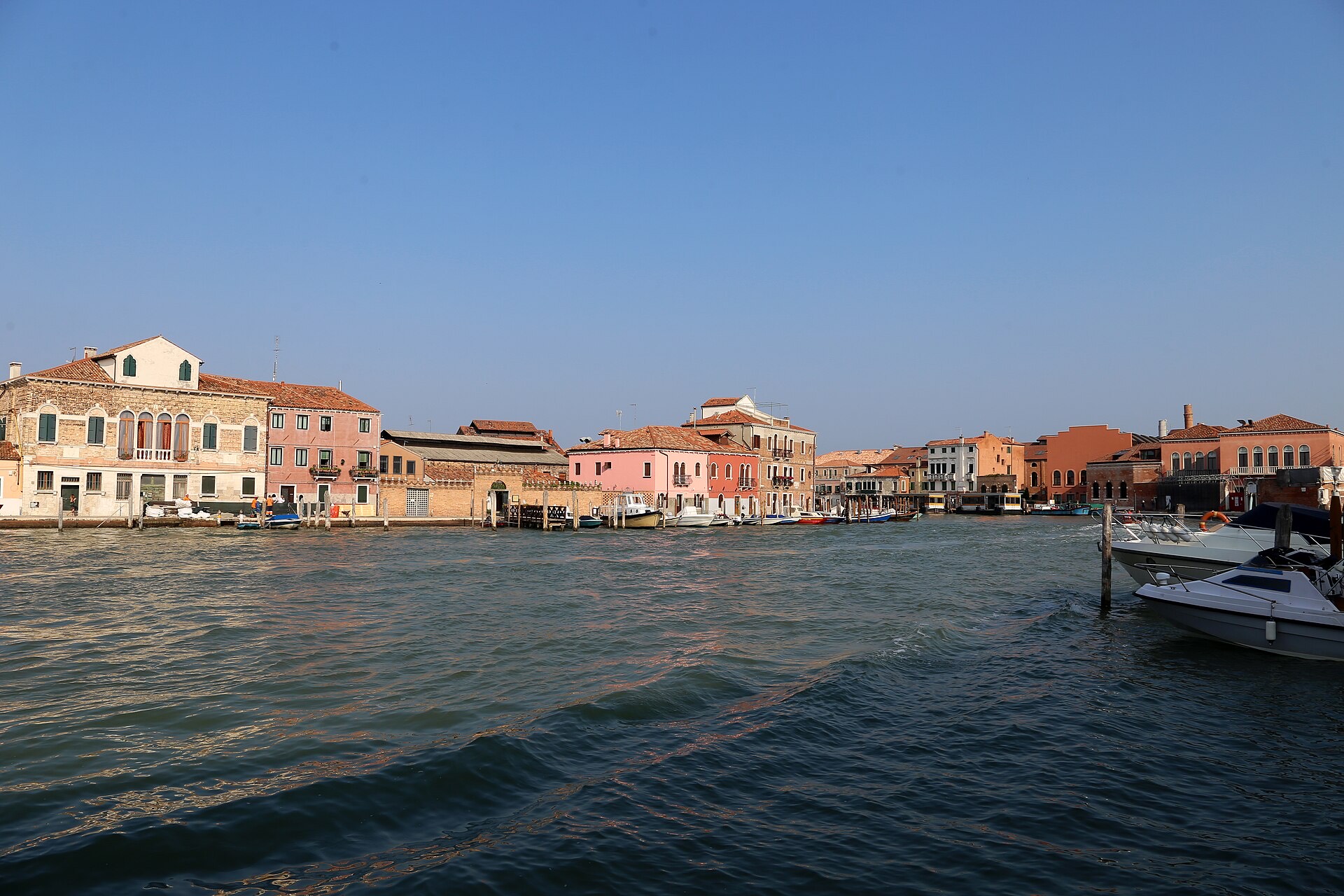
Murano
Glassmakers were moved here in 1291 because furnaces and wooden cities mix badly. Murano is still a factory island with canals, not a theme park, even if showrooms line the main rio. The Glass Museum in Palazzo Giustinian gives the history without a sales pitch. Faro and Colonna are the useful boat stops. The cemetery island of San Michele sits on the way out from Fondamente Nove. You pass it whether you meant to or not.
Burano
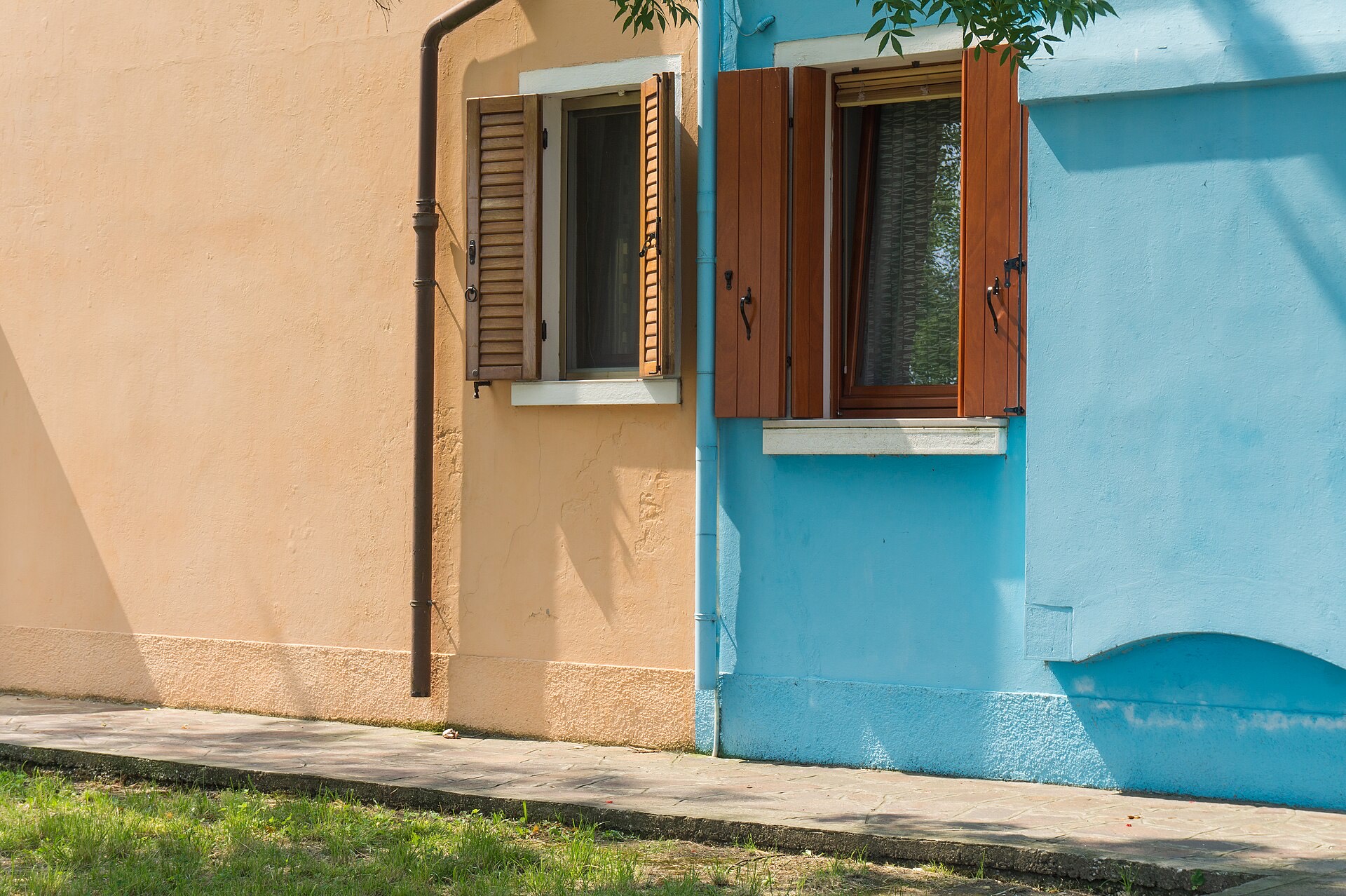
Burano is a lace island that became famous for painted houses. Fishermen painted them so they could pick out their own from the lagoon in fog. The commune now keeps the colours in a register. The leaning campanile of San Martino is visible across the water. Mazzorbo is the quieter neighbour, linked by a wooden footbridge, with a vineyard behind walls.
Torcello
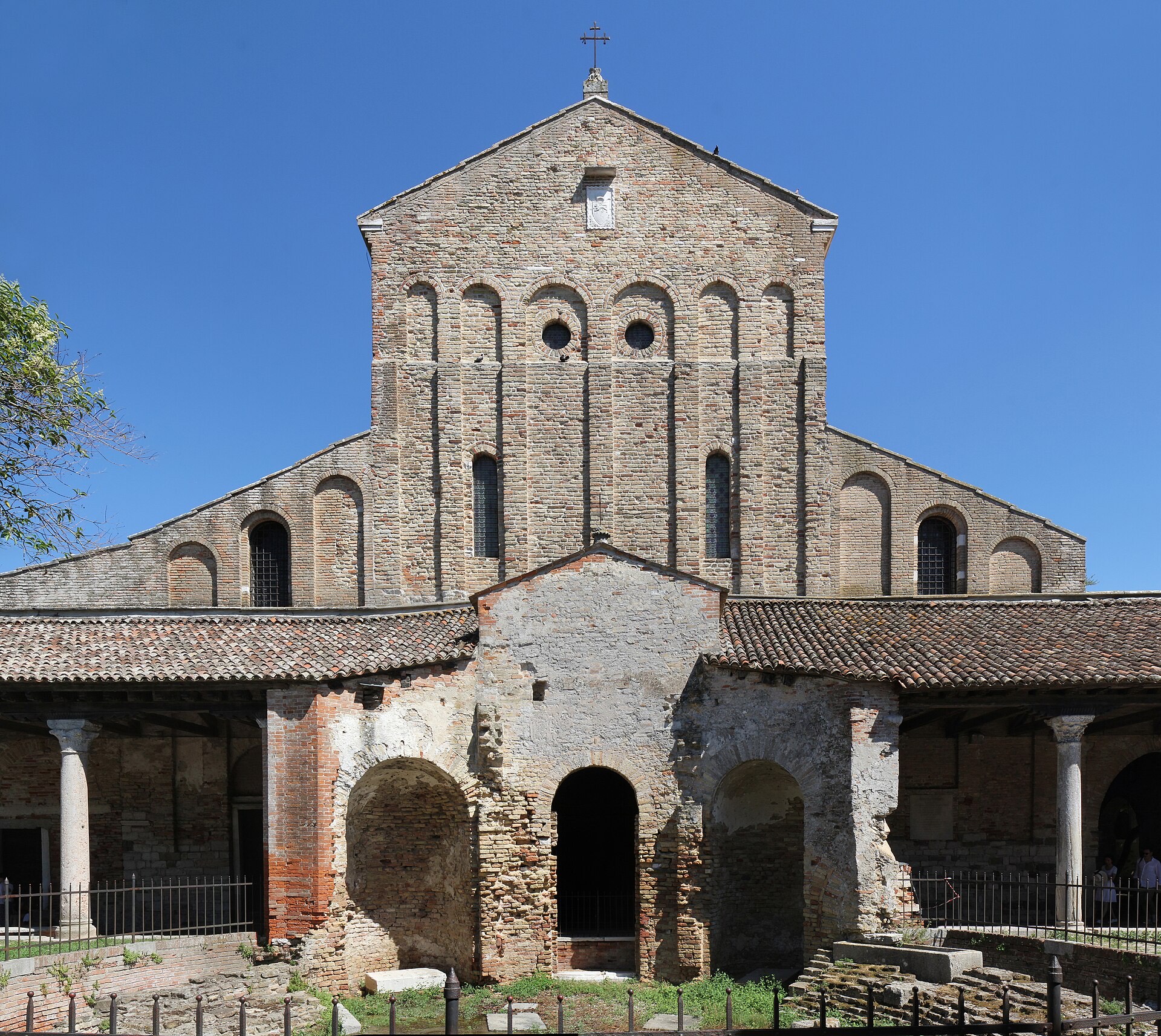
Torcello was a lagoon capital before Venice was. Malaria, silting and the pull of Rialto emptied it. What remains is a grassy island, a handful of houses, and the basilica of Santa Maria Assunta, founded in the seventh century, rebuilt in the eleventh. The Last Judgement mosaic on the west wall is the thing to see. Attila's throne in the grass is a stone seat with a nickname. The island takes a slower boat. That is the point.
Lido
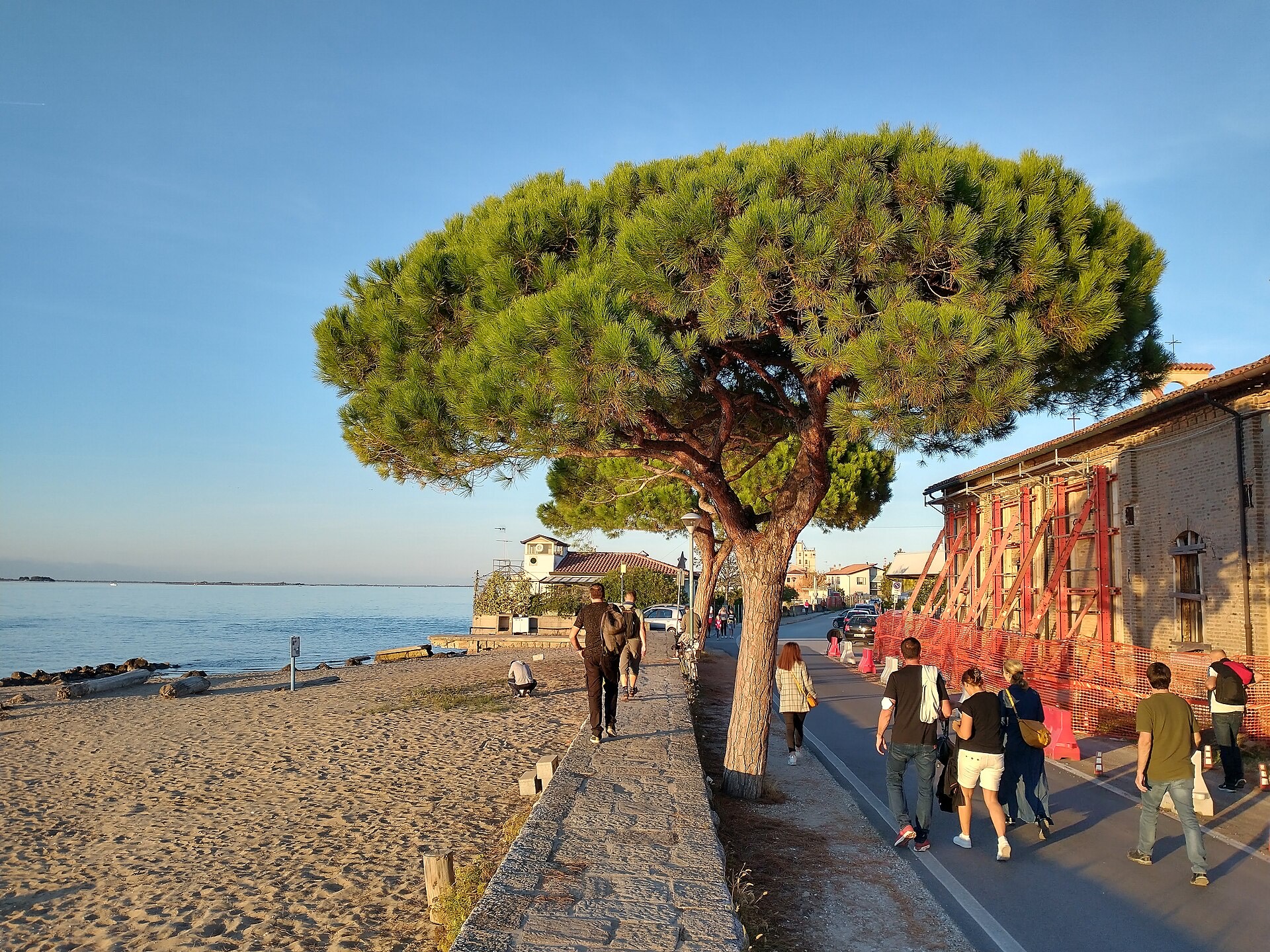
The Lido is a long barrier island with cars, buses and a beach. The film festival sets up at the Palazzo del Cinema each late summer. The rest of the year it is a seaside suburb with Liberty villas and a ferry from Santa Maria Elisabetta. Swim on the Adriatic side. The lagoon side is working water.
San Giorgio Maggiore
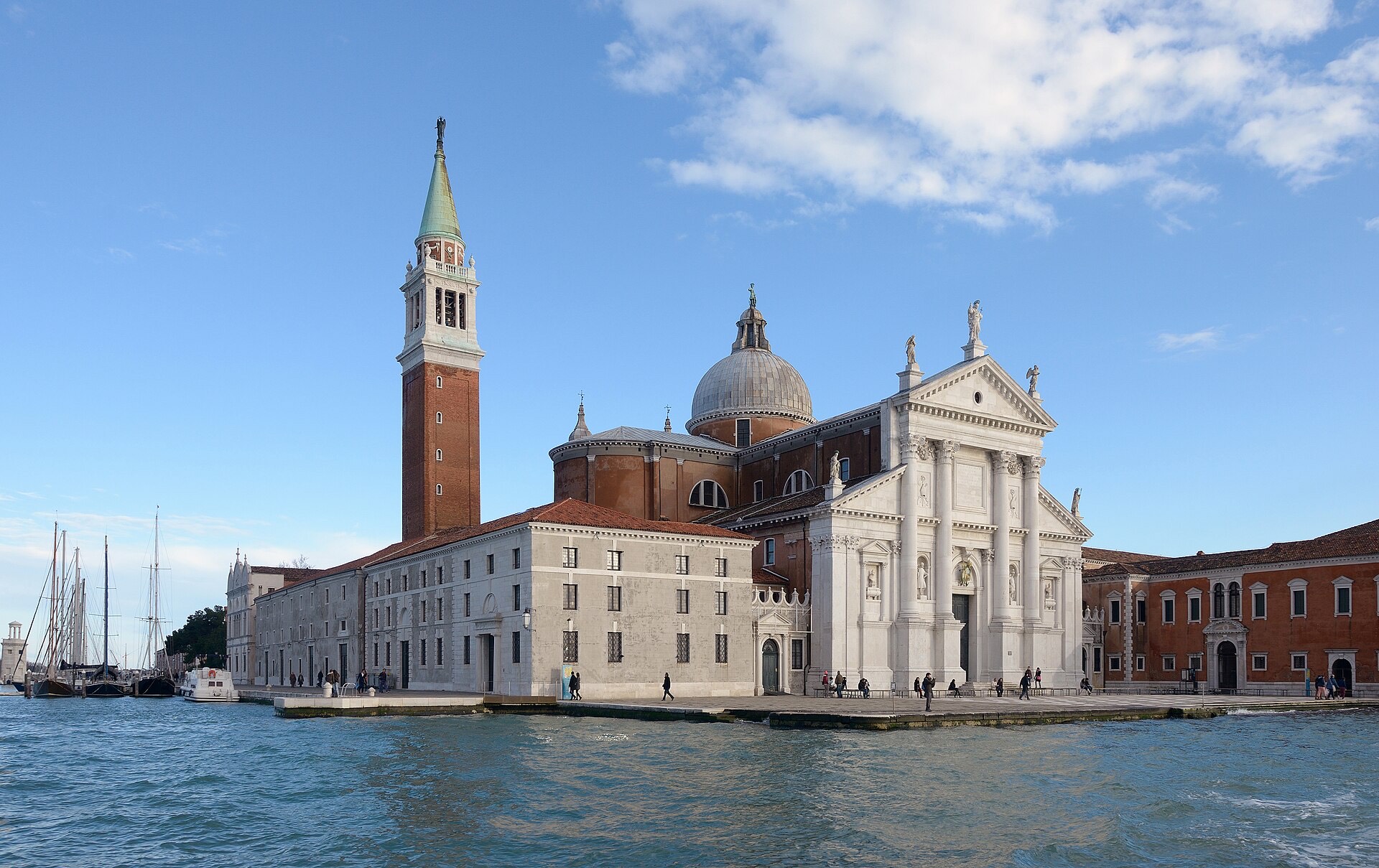
The island sits opposite the Doge's Palace. Palladio's church is the white facade in every basin photograph. Take the vaporetto from San Zaccaria. Climb the campanile for the view back to the piazza, which is how several photographs on this site were made. The Fondazione Cini occupies the monastery. Giudecca, the long island to the west, is a separate stop with its own fondamenta and fewer lists in guidebooks.